


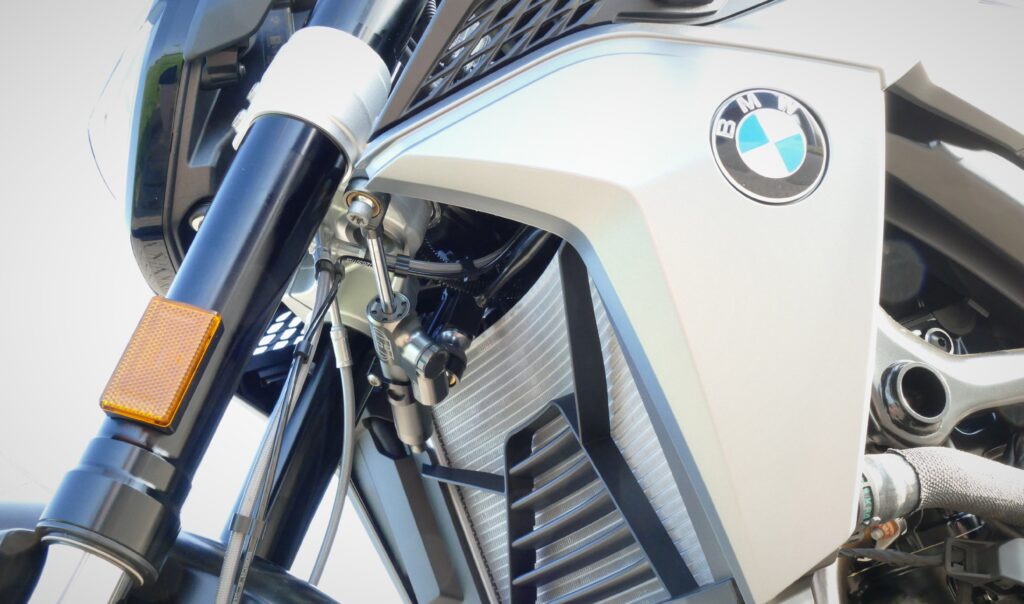
The right steering damper size depends on your specific motorcycle model, not a universal measurement. Steering dampers are not one-size-fits-all components. The correct fit is determined by your bike’s geometry, mounting points, and the type of damper system the frame can accommodate. The sections below walk through every key sizing question you need to answer before buying.
Does steering damper size actually affect performance?
Yes, steering damper size directly affects performance. A damper that is too short will not cover the full range of steering movement, leaving parts of the steering arc uncontrolled. One that is too long can bind against the frame or tank. The correct physical size ensures the damper works across the entire steering sweep, delivering consistent resistance where you need it most.
Beyond physical length, the damper’s stroke length and body diameter influence how much damping force it can generate. A larger-bodied damper typically holds more hydraulic fluid, which allows for more stable damping performance across a wider range of temperatures and riding conditions. For sport and adventure riders pushing their bikes hard, this thermal stability becomes increasingly relevant on longer, more demanding rides.
Getting the size right also affects how the damper integrates with your bike’s existing geometry. A correctly sized damper works with your steering head angle and handlebar sweep rather than fighting them, which means steering feel remains natural rather than artificially heavy or vague.
Hyperpro
Ride with confidence
Find the nearest Hyperpro dealer and start your motorcycle upgrade.
What measurements determine the right steering damper size?
Three measurements determine the correct steering damper size: the mounting distance between fixing points, the required stroke length to cover the full steering lock, and the available clearance around the steering head, frame, and tank. These three figures define which damper body and bracket combination will physically fit your motorcycle without modification.
Here is what each measurement covers in practice:
- Mounting point distance: The distance between where the damper attaches to the frame or top yoke and where it attaches to a moving part of the steering assembly. This sets the minimum and maximum extended length of the damper.
- Stroke length: The total travel the damper needs to accommodate as the bars move from full left lock to full right lock. If the stroke is too short, the damper bottoms out before full lock is reached.
- Clearance envelope: The physical space around the steering head. The damper body must clear the tank, frame tubes, and any fairings throughout the entire range of steering movement.
Because these measurements vary significantly between motorcycle models and even between model years of the same bike, using a bike-specific steering damper with a matched mounting kit is the most reliable approach. Generic sizing rarely accounts for all three variables simultaneously.
Is a rotary or linear damper better for my bike?
Whether a rotary or linear steering damper suits your bike better depends on your frame layout and available mounting space. Linear dampers mount horizontally across the steering head and require a clear lateral run of space. Rotary dampers mount centrally on the steering stem and take up far less room, making them the practical choice for bikes with tight front-end packaging, such as modern sport and naked bikes.
Performance-wise, both types can deliver effective steering stabilization. The key differences come down to packaging and adjustability:
- Linear dampers offer a direct mechanical relationship between steering angle and damping resistance. They are well-suited to adventure bikes and older platforms where there is room to run the damper body across the front of the frame.
- Rotary dampers are compact, centrally positioned, and typically easier to adjust while riding. They work well on sport bikes, naked bikes, and any motorcycle where space around the steering head is limited.
The type of damper also influences which mounting kit you need, which is another reason bike-specific fitment data matters more than a general preference for one design over the other.
How do damping force settings relate to damper sizing?
Damping force settings and damper sizing are separate but connected. A correctly sized damper gives you access to the full adjustment range the unit is designed for. If the damper is undersized or incorrectly mounted, the adjustment range becomes compromised because the unit is already working near its mechanical limits just to cover the steering movement.
Adjustability is where you fine-tune the feel. A well-sized damper lets you dial in the right resistance for your riding style, road surface, and speed range. At lower settings, the steering feels light and natural for slow-speed manoeuvring. At higher settings, the damper resists the rapid, uncontrolled oscillations that cause tank-slappers and wobbles at speed.
The number of adjustment positions matters here. More positions give you finer control, which is particularly useful if you ride across varied conditions, from urban commuting to motorway touring to track days. Getting the physical size right first is what makes those adjustments meaningful rather than compensatory.
What happens if you fit a steering damper that’s the wrong size?
Fitting a steering damper that is the wrong size creates real safety risks. If the damper is too short in stroke, it will reach its travel limit before the bars reach full lock, which can cause sudden, jarring resistance or even damage to the mounting hardware. If the body is too long for the available space, it will contact the frame or tank during normal steering, interfering with handling and potentially causing structural damage.
Beyond the physical risks, an incorrectly sized damper will not deliver consistent damping across the steering range. You may get too much resistance at certain steering angles and none at others, which undermines the whole purpose of fitting a damper in the first place. In a high-speed wobble or tank-slapper situation, inconsistent damping is worse than no damping because it can make the instability unpredictable rather than simply uncontrolled.
An incorrectly sized damper can also stress the mounting points unevenly, accelerating wear on the brackets and the steering components they attach to. This is why proper fitment, including a correctly matched mounting kit, is not a detail to skip.
Where can you find bike-specific steering damper sizing data?
The most reliable source for bike-specific steering damper sizing data is the damper manufacturer’s own fitment catalogue. These catalogues list compatible models, required mounting kits, and damper specifications by make, model, and year, removing the guesswork from the selection process. Your motorcycle dealer or a suspension specialist can also confirm fitment if you are unsure.
General forums and community guides can offer useful starting points, but they often contain outdated information or advice based on one rider’s specific setup rather than verified fitment data. For safety-critical components like steering dampers, manufacturer fitment data is always the more dependable reference.
You can also browse the full product catalogue to check which components are listed for your specific bike.
How Hyperpro helps you find the right steering damper
We design and manufacture steering dampers specifically to address the sizing and fitment challenges described throughout this article. Our range includes two damper systems, each available with CNC-milled model-specific mounting kits that are engineered for plug-and-play installation, requiring no drilling or cutting in 98% of applications.
- CSC (Constant Safety Control): A linear damping model with 22 adjustment positions, suited to riders who want reliable, consistent stabilization across a wide range of conditions.
- RSC (Reactive Safety Control): A progressive damping model also with 22 positions, designed to respond more dynamically to the severity of steering input, offering lighter resistance during normal riding and stronger resistance when instability occurs.
- Model-specific mounting kits: Available in Hyperpro Gold or Black, these kits are developed for your exact bike, ensuring the damper sits at the correct geometry and stroke range from the moment it is installed.
If you have questions about which system suits your motorcycle, contact us directly and we will point you in the right direction. To purchase, reach out to your nearest authorised Hyperpro distributor.